One of the most ubiquitous problems in photography has been the mystery of underexposure, or, in layman's terms, "The picture, she is so dark."
Causing lost shadow details and muddy highlights, underexposure is the number two enemy of photographers, second only to abysmal wages and poor math skills.
During the twentieth century (that means the 1900s) several hypotheses had been advanced and shot down. Joerg Hilti, the Austrian jurist, had proposed in 1919 that photons slowed down whilst passing through the lens, and thus struck the film with too little force to make an impression. Einstein eventually put the kibosh on that theory, but it remained part of formal photographic education well past 1940.
In 2005 astronomers reported that dark matter, which was first synthesized by Fritz Zwicky in 1933, is far more prevalent than ever. The ever increasing and menacing dark matter has been proven (extremely proven, in fact) to be the cause of underexposure in the photographic fields. To put it simply, dark matter gets trapped between the lens and the film (or sensor) and then lodges in the receptor sites during exposure. This blocks some of the lighter and friendlier photons. The cause of dark photos had been found
These effects of dark matter have been overcome with digital sensors. In mass production since early 2007, dark-matter-protected sensors eliminate the dark matter underexposure conundrum.
The new CMOS and CCD sensors feature receptor sites that are too narrow and foreboding for dark matter to enter, leaving room for even the weakest photons, thus boosting the effective exposure to what it should have been all along. Film, still made by hobbyists in the hinterlands, cannot be adjusted to compensate for dark matter. This may may relegate film to the ash bin of history.
With digital capture in ascendancy, the dark problem is essentially solved. As one bride in Ohio or Illinois said, "My wedding pictures aren't as dark as I feared." And she was right!
Monday, April 28, 2008


Sunday, April 27, 2008
Look Who I Found When I Came Home!


Saturday, April 26, 2008
Jewelry Photographs

I recently photographed the amazing jewelry of Keren Barukh of Oakland, California.
The similarity to portrait photography is that the subject (in this case jewelry) must be lit to bring up its distinctive features. And, distracting elements (in this case clothing, face and hair) must be lit so that they add to the photo, rather than distract or detract from the jewelry.
In this case, Jillian is not just the model, but also a client of mine.
Another model was Courtney

Hiking With Dad - Retrospective
My father, Felix Khuner(1906-1991)
 I took this photo in, I am guessing, 1968. I took this with my first real camera, a Canonet QL-17, that my father had brought back from Japan in 1968.
We were hiking in a National Park - I think it was Mt. Lassen - and my father stepped in a creek with his right foot. He stopped to dry his shoe, and I got this shot.
I was a photojournalist forty years ago!
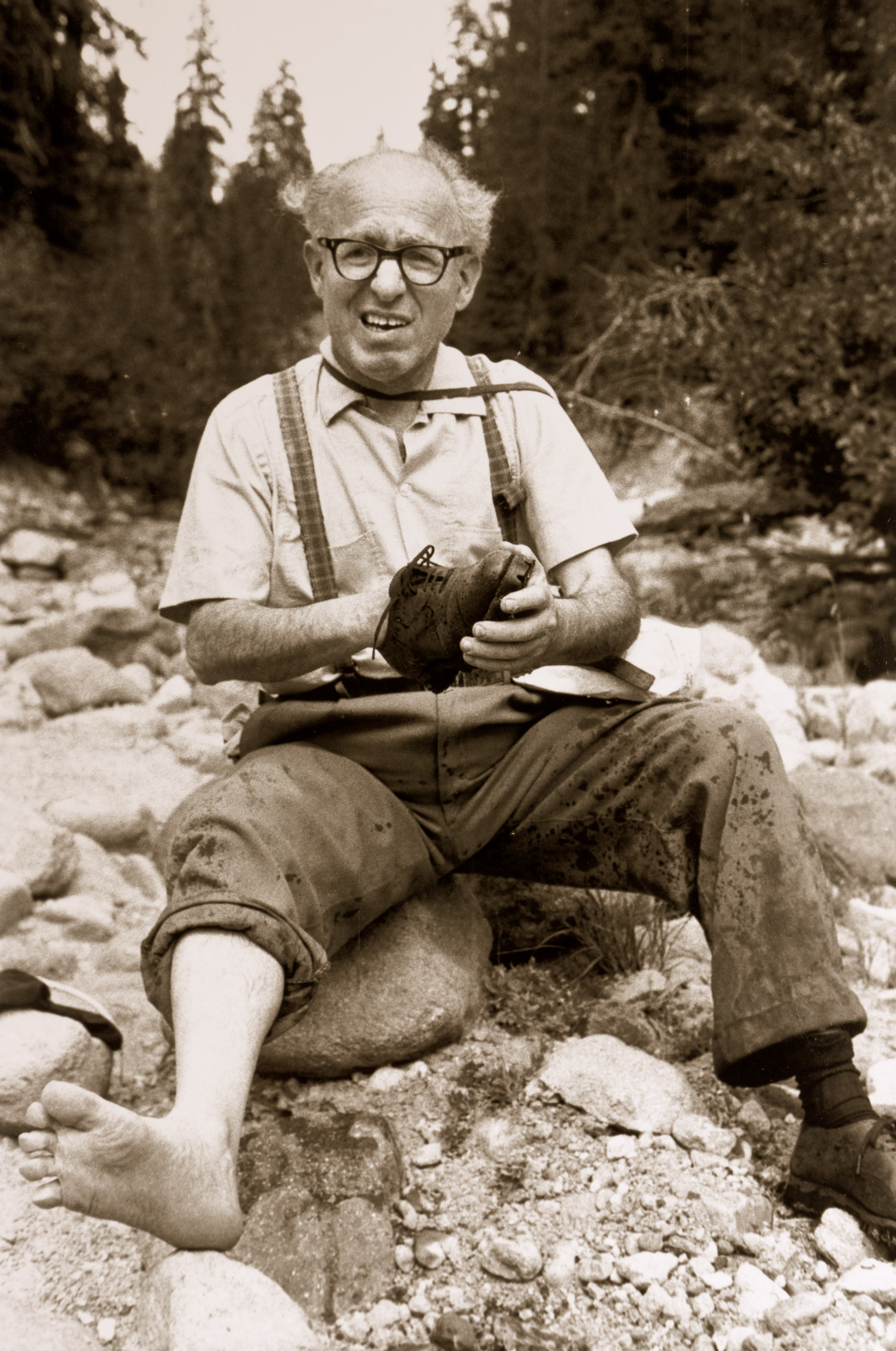 I took this photo in, I am guessing, 1968. I took this with my first real camera, a Canonet QL-17, that my father had brought back from Japan in 1968.
We were hiking in a National Park - I think it was Mt. Lassen - and my father stepped in a creek with his right foot. He stopped to dry his shoe, and I got this shot.
I was a photojournalist forty years ago!
Friday, April 25, 2008
What Will You Be Doing on Your 95th Birthday?
Will you be teaching a dance class?

My mom was teaching her regular Thursday class as the Senior Center (not at the Senior Edge, I guess?). Because her class was celebrating her 95th birthday, she asked me to come by and take a group photo.
They had a cake for her

Happy 95, Mom! - Like she'll ever read my blog.
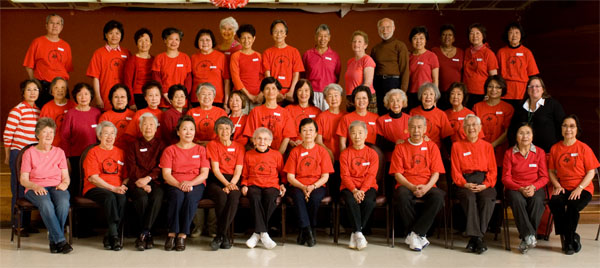
My mom was teaching her regular Thursday class as the Senior Center (not at the Senior Edge, I guess?). Because her class was celebrating her 95th birthday, she asked me to come by and take a group photo.
They had a cake for her
Happy 95, Mom! - Like she'll ever read my blog.
My Mom at Eighteen
My Mom's High School Graduation Photo

I did not take this photo. I am guessing that the person who took this photo isn't around anymore. But look at the gift the photographer gave us.
Photographs are our gift - the photographer's and the subject's - to people in the future.
You may think you are just hiring a wedding photographer or some photographer to do your family portrait. In the best of all worlds, you choose a person who will create images that will tell your children and grandchildren who you were way back then. How did you feel? Who was close to you?
"Thankyou Mr./Miss photographer of 1931 who took this photo."
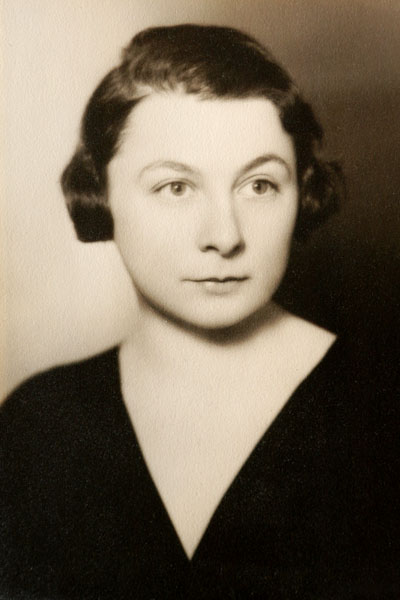
I did not take this photo. I am guessing that the person who took this photo isn't around anymore. But look at the gift the photographer gave us.
Photographs are our gift - the photographer's and the subject's - to people in the future.
You may think you are just hiring a wedding photographer or some photographer to do your family portrait. In the best of all worlds, you choose a person who will create images that will tell your children and grandchildren who you were way back then. How did you feel? Who was close to you?
"Thankyou Mr./Miss photographer of 1931 who took this photo."
Sunday, April 20, 2008
Subscribe to:
Posts (Atom)


